Color Psychology in Branding: How to Use Color to Shape Perception
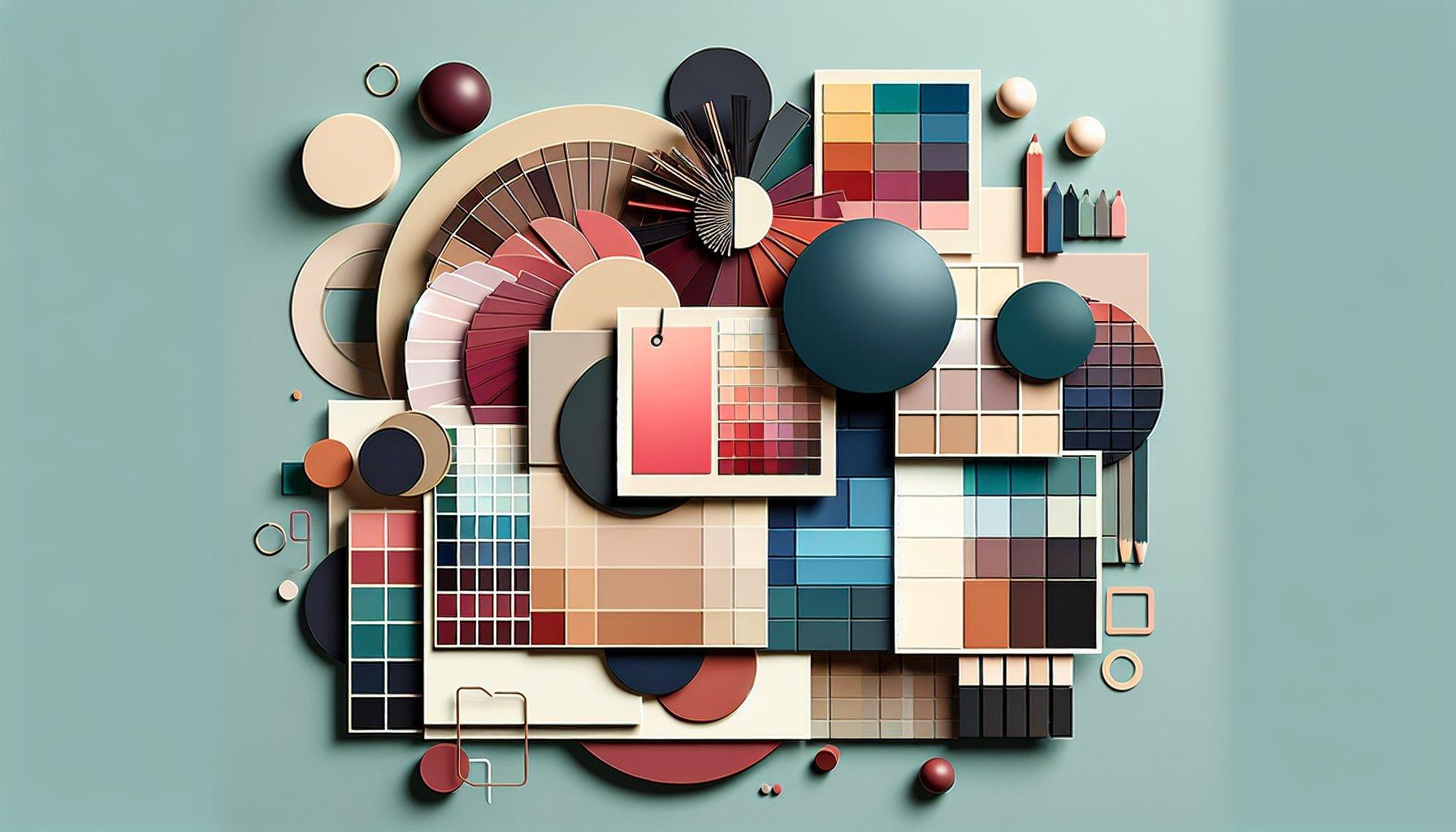
Ever wondered why certain brands stick in your mind like your favorite tune?
Color psychology in branding explains why you reach for a product without quite knowing why. The packaging's shape may play a role, and the typography too — but color does the heavy lifting. It catches your eye, triggers a feeling, and moves your hand before your brain catches up.
That is not coincidence. For anyone building a brand — whether you are a solo founder, a designer shaping someone else's vision, or a creator launching something new — understanding how color communicates is one of the most powerful tools in your creative arsenal.
Color is a signal — and your audience reads it before they read a word
Before a customer reads your tagline or scrolls through your website copy, they have already formed an impression. Color reaches the brain faster than language, bypassing rational thought and landing directly in the emotional center — which is exactly where brand loyalty is built.
This is not about manipulation. It is about clarity. The colors you choose are a form of communication, and like any language, they carry meaning shaped by culture, context, and expectation.
Understanding Color Psychology and How It Works
What color psychology actually means (and what it doesn't)
Color psychology is the study of how color affects human perception, emotion, and behavior. In a branding and marketing context, it explores why certain colors make us feel safe, excited, hungry, or premium — and how brands use that understanding to shape consumer experience.
What it is not is a fixed formula. There is no universal rulebook that says “use blue to feel trustworthy” and call it done. The most compelling brand identities are the ones that work within — and sometimes deliberately against — expectation.
How perception is shaped by hue, saturation, and context
The same hue can tell entirely different stories depending on how it is used. A deep, saturated red feels urgent and powerful. A muted dusty rose feels soft and romantic. A bright cherry red on a fast food logo reads as appetite-driven energy. Technically the same color family — but each lands in a completely different emotional territory.
Saturation, brightness, and the surrounding palette all shape meaning. A rich jewel-toned palette signals luxury. A washed-out, earthy scheme evokes calm and naturalness. Context matters just as much as the color itself.
Why color psychology in marketing and branding is always contextual
A deep forest green means something different on a financial services website than it does on an organic skincare brand. In one context it signals stability and trust; in the other, nature and purity. Neither reading is wrong — both are true, and both can be intentional.
This is why understanding your industry, your audience, and your competitors matters before you commit to a color direction. Color associations are not invented in a vacuum. They accumulate through decades of brand behavior, cultural meaning, and repeated visual exposure.
Color Associations: What Each Color Communicates in a Brand Context
Red: urgency, energy, appetite, passion
Red is one of the most physiologically activating colors a brand can use. It raises the pulse, commands attention, and carries a long history of signaling both danger and desire. In branding and marketing, red suits brands that want to project energy, boldness, or appetite.
Coca-Cola's red has become so embedded in popular culture that the brand is practically synonymous with the color. McDonald's pairs red with yellow — a combination that research suggests stimulates appetite and a sense of urgency.
Green: growth, trust, wellness, sustainability
Green carries deep associations with nature, growth, and purity, making it a natural fit for wellness, sustainability, and organic products — which is why so many health food brands reach for it. Whole Foods and countless plant-based startups lean on green to signal values aligned with conscious living.
But green also has a long history in finance. Many banks and insurance brands use it to evoke stability and steady growth, demonstrating how a single color can carry distinct meaning across very different categories.
Purple: luxury, creativity, mystery, wisdom
Purple is rare in nature, which is precisely why it has long been associated with royalty and exclusivity. In modern branding, that legacy carries forward into luxury, creativity, and the unconventional.
Cadbury's deep, rich purple is so tied to the brand that it has fought legal battles to protect it. Hallmark uses purple to convey emotional richness and premium craftsmanship. In tech, Twitch uses it to signal creativity and a distinct sense of community.
Blue, yellow, black, white, and beyond
Blue is the world's most universally liked color — which likely explains its dominance in financial services, healthcare, and technology. It evokes trust, reliability, and calm, qualities that PayPal, Samsung, and Ford have built entire identities around.
Yellow carries warmth, optimism, and energy. Black communicates sophistication and authority. White creates space, simplicity, and purity. And pink — once considered a narrow, gendered hue — has become one of the most versatile accent colors in modern branding, used by everyone from Glossier to T-Mobile. Every color carries cultural weight, and choosing thoughtfully means engaging with all of that history.
Logo Color and Brand Identity: Real-World Examples
What top brands signal through their color palette choices
The most iconic logos in history are not just well-designed — they are strategically colored. McDonald's warm yellow is inseparable from the golden arches. The Nike swoosh in black communicates timeless performance. Apple's minimalist white-on-white product presentation signals that simplicity is the ultimate sophistication.
In each case, logo color does not just identify the brand — it communicates what the brand stands for. The palette becomes shorthand for the entire identity.
How logo color creates instant recognition and emotional resonance
Brand recognition is partly a function of repetition, but color is what makes repetition work. That particular shade of deep cobalt and your brain reaches for Facebook. A warm oxidized red and a specific curve, and Coca-Cola surfaces immediately. This is strategic color at its most effective — applied so consistently that it functions almost like a tone of voice.
The emotional resonance that builds over time is what transforms a color choice into a genuine brand asset.
What happens when a brand changes its color scheme
Color changes are high-stakes decisions. When Gap briefly updated its logo in 2010, the backlash was so immediate that the brand reverted within a week. When Instagram moved from its skeuomorphic camera icon to a gradient-led abstract version, the reaction was similarly polarized.
These moments reveal how deeply consumers embed color associations within brand identity. Changing the palette is not a cosmetic update — it signals that something fundamental may have shifted.
How to Use Color Psychology in Your Own Branding and Marketing
Ask yourself: What do I want people to feel when they encounter my brand?
This is the most important question in any brand color conversation. Before you look at trends, build a palette, or think about what looks beautiful — start with feeling. Do you want your audience to feel safe? Excited? Calm? Ambitious?
Those emotional intentions should drive every color decision that follows.
Start with a feeling
Use the ColorLore Mood Palette Generator to explore colors that match the emotion you want your brand to carry.
Mood Palette GeneratorAsk yourself: What do I want my brand's personality to be, and how can I use color to convey that personality?
A bold, adventurous brand might reach for colors that carry energy and confidence — deep reds, electric blues, vivid yellows. A playful, approachable brand often benefits from softer, warmer hues and unexpected accent color combinations that read as friendly and accessible.
Brand personality and color palette should feel like natural extensions of each other. When they are misaligned, even a beautiful design can feel unconvincing. For a deeper look at the relationship between personality and palette, see our guide on how to choose brand colors that tell your story.
Are there established color associations in your industry?
Consider how many cleaning products use blue — communicating hygiene, clarity, and clinical cleanliness. Knowing the color conventions of your category helps you make a deliberate choice: lean into those cues to signal belonging, or break from them to stand out.
Both are valid strategies, but each requires different reasoning and a different level of confidence in your brand's differentiation.
Do you know what colors your competitors are using?
Mapping the competitive landscape before settling on a color direction is sound strategic practice. If every brand in your space uses dark navy and white, a warm terracotta or deep olive might not just look distinctive — it might more accurately represent who you are.
The goal is not difference for its own sake. It is ensuring your colors work for your brand rather than blending into the visual noise of your category.
Finding a palette that is both distinctive and intentional
The right color is rarely the obvious one. It carries the right emotional weight, sits well within your competitive context, and feels true to what your brand actually stands for. A strong color palette is not a formula — it is a considered point of view.
Practical Takeaways for Designers and Builders
Start with emotion, not aesthetics
The most durable brand color decisions begin with a question about feeling, not a question about what looks good. Aesthetics matter — but they should serve emotional truth, not substitute for it.
Test how color affects different contexts and audiences
A palette that sings on a white background might disappear in dark mode. A color that reads as sophisticated in a luxury context might feel cold and clinical elsewhere. Test across digital, print, packaging, and marketing materials before committing. The ColorLore UI Palette Generator lets you preview how your colors perform in a real interface context.
Build consistency across every brand touchpoint
Color alone cannot build a brand. But color applied consistently — across your logo, website, social presence, marketing campaigns, and product — creates a cumulative effect that becomes recognition, and then trust.
Explore Your Brand Palette with ColorLore
Color psychology in branding is not a science to be solved — it is a creative language to be mastered. The brands that do it best begin with intention, stay consistent, and remain curious about how perception shifts over time.
If you are ready to build something that feels as good as it looks, use the ColorLore brand palette generator to explore color directions for your identity.
Build your brand palette
Describe your brand's personality and get a complete, AI-generated color system with primary, secondary, accent, and neutral colors.
Brand Palette GeneratorFrequently Asked Questions
Does color psychology really affect purchasing decisions?
Yes — though rarely in isolation. Color shapes first impressions, triggers emotional associations, and influences how trustworthy or relevant a brand feels. When a color palette aligns with what a customer already associates with a category or value, it can meaningfully reduce hesitation and build confidence at the point of decision.
Can one color work for any brand?
A single color can absolutely anchor a strong brand identity — think of Tiffany's robin egg blue or Hermès orange. The key is not how many colors you use, but how deliberately and consistently you use them. A single well-chosen primary color, supported by thoughtful typography and layout, can carry enormous brand weight.
How many colors should a brand identity use?
Most brand identities work best with one primary color, one or two supporting colors, and occasionally an accent color for emphasis. More than four colors in active use tends to dilute visual clarity. The goal is a palette that feels cohesive and intentional — not a spectrum of options without hierarchy.
How do I know if my color palette is sending the right message?
Test it with people who represent your target audience, ideally without showing them your name or product first. Ask what the palette makes them feel, what kind of brand they imagine it belongs to, and whether those impressions match your intentions. The gap between what you intend and what people perceive is where brand refinement happens.
Is color psychology in marketing and branding the same across cultures?
Not entirely. While some associations are broadly shared — red as energizing, blue as calming — others shift significantly across cultural contexts. White carries mourning associations in parts of East Asia, while green holds deep religious significance in parts of the Middle East. If your brand operates across multiple regions, understanding local color meanings is essential to building an identity that translates well.
Should designers stick with one color, or are particular color combinations effective too?
Color combinations are often more powerful than a single color alone — they create visual hierarchy, convey personality, and allow flexibility across contexts. A complementary pairing generates energy and contrast, while an analogous scheme tends to feel harmonious and refined. The best combinations are not just visually appealing — they reinforce the emotional story the brand is trying to tell. Explore how professional designers approach this in our article on how designers build color palettes.
Explore palettes in the Luxury Brand Collection or extract colors from any image with the Image Palette Extractor.