How to Choose Brand Colors That Tell Your Story
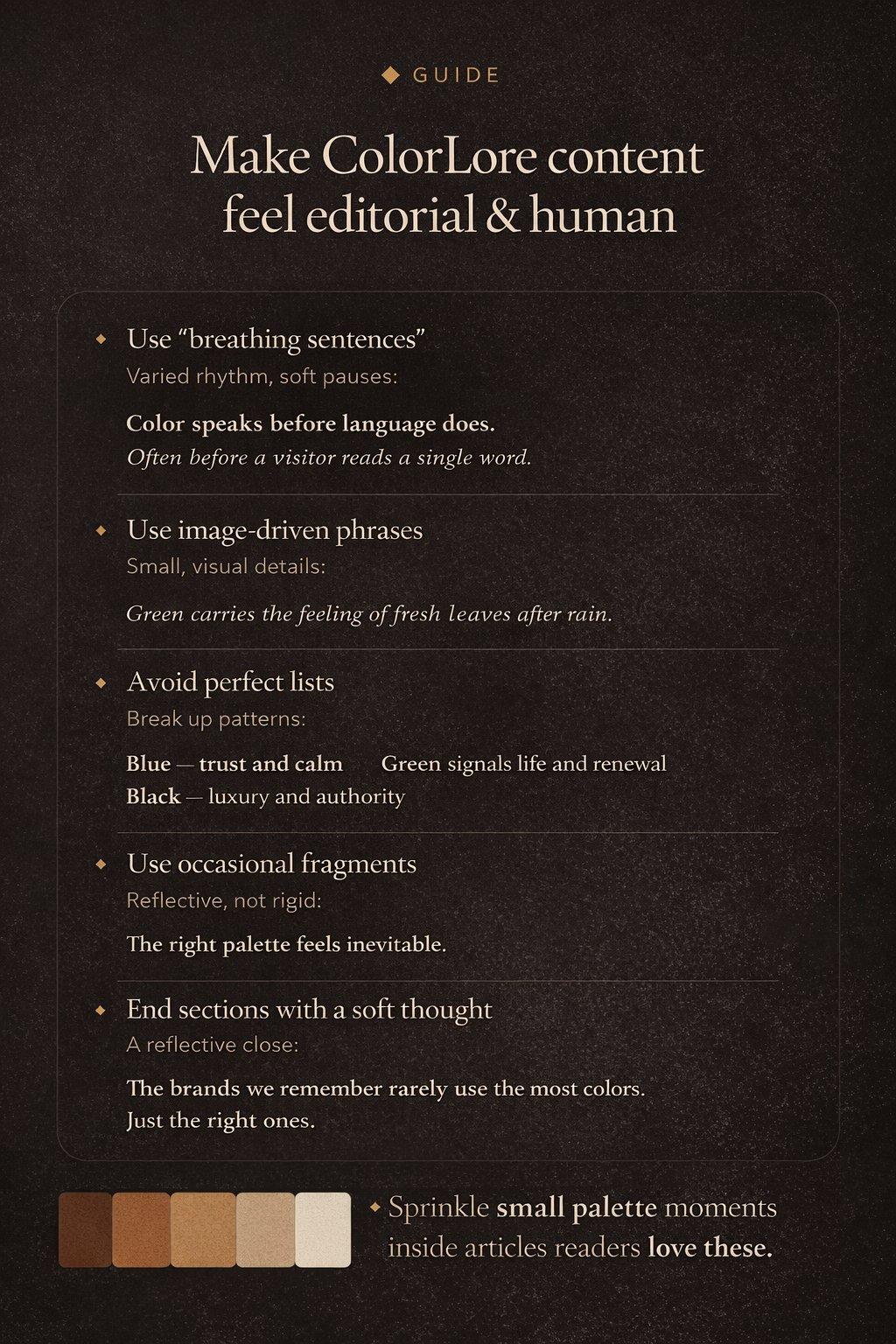
Color speaks before language does. Often before a visitor reads a single word.
Before someone understands your product, before they form a conscious opinion — they've already felt your brand through its colors. That first impression takes less than a second. And it shapes everything after.
Choosing brand colors isn't about picking a favorite shade. It's about finding the palette that carries the right feeling for the story your brand needs to tell.
Start with personality, not color
Most founders reach for a color picker before they've defined what their brand actually feels like. That's backwards. Color should follow personality — not lead it.
Before you touch a single swatch, sit with these questions. Is your brand serious or playful? Luxury or accessible? Traditional or modern? Warm or cool?
The answers won't give you a hex code. But they'll give you a compass — one that points toward the right color territory.
Every great brand palette begins not with a color, but with a feeling the brand wants to create.
What colors quietly say
Colors carry weight — cultural, emotional, sometimes irrational. Context always matters, but certain associations hold steady across audiences and industries.
Blue — trust and calm
Blue shows up in corporate branding more than any other color. It carries reliability. Steadiness. It works for financial services, healthcare, technology — anywhere trust is the foundation. But lean on it too hard and it starts to feel sterile. Cold, even. The trick with blue is warmth in the details around it.
Green — life and renewal
Green carries the feeling of fresh leaves after rain. It connects naturally to wellness, organic products, sustainability, financial growth. Deeper greens whisper sophistication. Lighter greens feel like an open window.
Black — luxury and authority
Black doesn't ask for attention. It assumes it. The color of luxury fashion, premium products, editorial brands. Pair it with gold, cream, or white and the perception shifts instantly — toward something elevated, something worth paying more for.
Warm tones — approachability and craft
Terracotta. Amber. Warm neutrals that smell like fresh bread and old wood. These communicate handmade quality, authenticity, human warmth. Powerful for artisan brands, cafés, coaching businesses — any company that wants to feel personal rather than corporate.
There are other territories too — purple for creativity, red for urgency, pink for tenderness. But the point isn't to memorize a chart. It's to notice what you feel when you see a color. That feeling is what your audience feels too.
Build a system, not just a color
A brand isn't defined by one color. It's defined by how several colors work together. Most effective brand palettes have three to five colors, each with a job to do.
Your primary color is the one people will associate with you. Logo, key buttons, the thing they remember. The secondary supports it — adding contrast, depth, something to rest the eyes on. Then there's an accent: the highlight that draws the eye to calls to action and important moments.
And the neutrals. People underestimate neutrals. Background, text, borders — these are the workhorses. Getting them right is what separates a polished palette from one that feels slightly off but you can't explain why.
Build your brand palette
The ColorLore Brand Generator creates a complete palette — primary, secondary, accent, neutral, and background — all named and ready to use.
Try the Brand GeneratorCheck contrast before you commit
Beautiful colors that can't be read are useless. Before you finalize anything, test that your text is readable against every background you plan to use. The WCAG standard recommends at least 4.5:1 contrast for body text.
And pay close attention to your call-to-action buttons. If the CTA doesn't pop against its background, it's failing its one job.
Then use it everywhere
The power of a palette comes from repetition. Website, social media, packaging, business cards, email signatures — same colors, same roles, every time. Consistency builds recognition. Recognition builds trust.
You don't need an elaborate brand book. Even a single page that lists your hex codes with notes on where each one goes is enough to keep things aligned.
The brands we remember rarely use the most colors. Just the right ones.
Let feeling have the final word
After the strategy. After the psychology. After testing accessibility and building your system. The last test is emotional.
Put your palette on something real — a website header, a social post, a business card. Then ask one question: does this feel like my brand?
If something feels off, trust that. If it feels right, you'll know. The right palette feels inevitable — like it was always supposed to be this way.
Explore palettes in the Luxury Brand Collection or describe a feeling in the Mood Generator.